
Do You Need Permission to Install a Commercial Kitchen Hood in Birmingham?

To set up a restaurant or an industrial kitchen, proper equipment and ventilation systems are essential. These systems must meet required standards to ensure kitchen safety, maintain hygiene and air quality, and prevent risks such as fire. However, one common question arises: Do you need permission to install a commercial kitchen hood in Birmingham? Or is having a standard ventilation system enough?
This question doesn’t have a single answer — several factors must be considered, such as building regulations, legal requirements, and technical standards, to determine the correct response.
Do You Always Need Permission?
The short answer is: not always, but often yes.
If you only intend to install or upgrade an internal ventilation system without making structural changes to the building, you typically won’t need Planning Permission.
However, if your project involves installing an external duct or flue, altering the building’s exterior appearance, or making any structural modifications, you must obtain permission from Birmingham City Council’s Planning Department.
You will usually need permission in cases such as:
- When an external duct or flue changes the building’s exterior appearance.
- If your property is located in a historic area or is a listed building.
- If your ventilation system causes odours, smoke, or noise pollution that may disturb neighbours.
Even if planning permission isn’t required, your installation must still comply with Building Regulations to ensure safety and proper performance.
Contact us for hood and ventilation system installation.
Why Are Ventilation Systems Regulated?
Commercial kitchen hoods are designed to remove heat, smoke, odours, and grease produced during cooking. Poor ventilation can lead to:
- Grease build-up and an increased fire hazard
- Poor air quality and health issues for staff
- Unpleasant smells affecting nearby businesses
- Failure in environmental health inspections
According to UK Building Regulations, particularly Approved Document F (Ventilation) and Document B (Fire Safety), all commercial kitchens must have an effective and safe ventilation system. The industry standard DW/172 also defines the technical criteria for designing and installing commercial kitchen ventilation systems.
Situations Where Permission Is Definitely Required
Below are some situations where you will need to obtain the necessary permissions:
External Flues or Ductwork
If your ventilation system includes visible external ducts or flues that alter the building’s façade, you’ll need permission to assess potential environmental and aesthetic impacts.
Structural Alterations
If installing the hood requires creating openings in walls or ceilings that change the building’s structure or exterior, you must obtain Building Control approval to ensure safety.
Listed or Conservation Areas
In these protected areas, even minor changes to the building’s exterior — such as adding an air vent or exhaust outlet — require official permission.
Noise, Odour, and Air Pollution
If your ventilation system produces excessive noise, strong odours, or smoke, the Environmental Health Department of Birmingham City Council may impose restrictions on its installation or use.
Fire Safety and Extraction Standards
Even if planning permission is not required, compliance with technical standards such as BS EN 16282 and DW/172, as well as fire safety regulations, is mandatory. In some cases, an automatic fire suppression system must also be installed.
Steps to Ensure Compliance
1. Initial Consultation with Birmingham City Council
Before starting any installation, contact the Planning and Building Control Department to determine whether your project requires permission. This simple step can save you time and unnecessary costs.
2. Hire a Qualified Contractor Familiar with UK Standards
A professional industrial ventilation contractor can design your system in line with DW/172 standards, ensuring proper airflow, duct placement, and fire-resistant materials.
3. Obtain the Necessary Approvals
If required, submit an application for Planning Permission along with detailed plans of your ventilation and ductwork system. For structural changes, approval from Building Regulations is also needed.
4. Keep All Documentation
Retain all design documents, contractor certificates, and inspection reports. These may be requested during safety or environmental inspections.
5. Regular Maintenance and Servicing
Even the best ventilation systems lose efficiency without proper maintenance. Grease build-up increases fire risk, so professional cleaning every six months is strongly recommended.
Practical Tips for Birmingham Businesses
- Consider ventilation design early in your kitchen planning process.
- Ensure that exhaust noise or odours do not disturb neighbouring properties to avoid complaints.
- Use experienced local contractors familiar with Birmingham’s commercial projects to speed up approval processes.
- After obtaining permissions, maintain regular inspections and servicing to remain compliant.
- Choose energy-efficient equipment and odour control systems to reduce operating costs and environmental impact.
Conclusion
Installing a commercial kitchen hood in Birmingham does not always require permission, but in many cases — especially where external ducts, structural alterations, or listed buildings are involved — planning approval is mandatory.
Even if a permit isn’t needed, full compliance with fire safety, ventilation, and environmental health regulations is essential.
By consulting local authorities, working with professional contractors, and maintaining your system regularly, you can ensure your kitchen remains both legally compliant and operationally efficient.
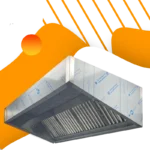 Canopy
 Fans
Fans Stainless Steel Sheets
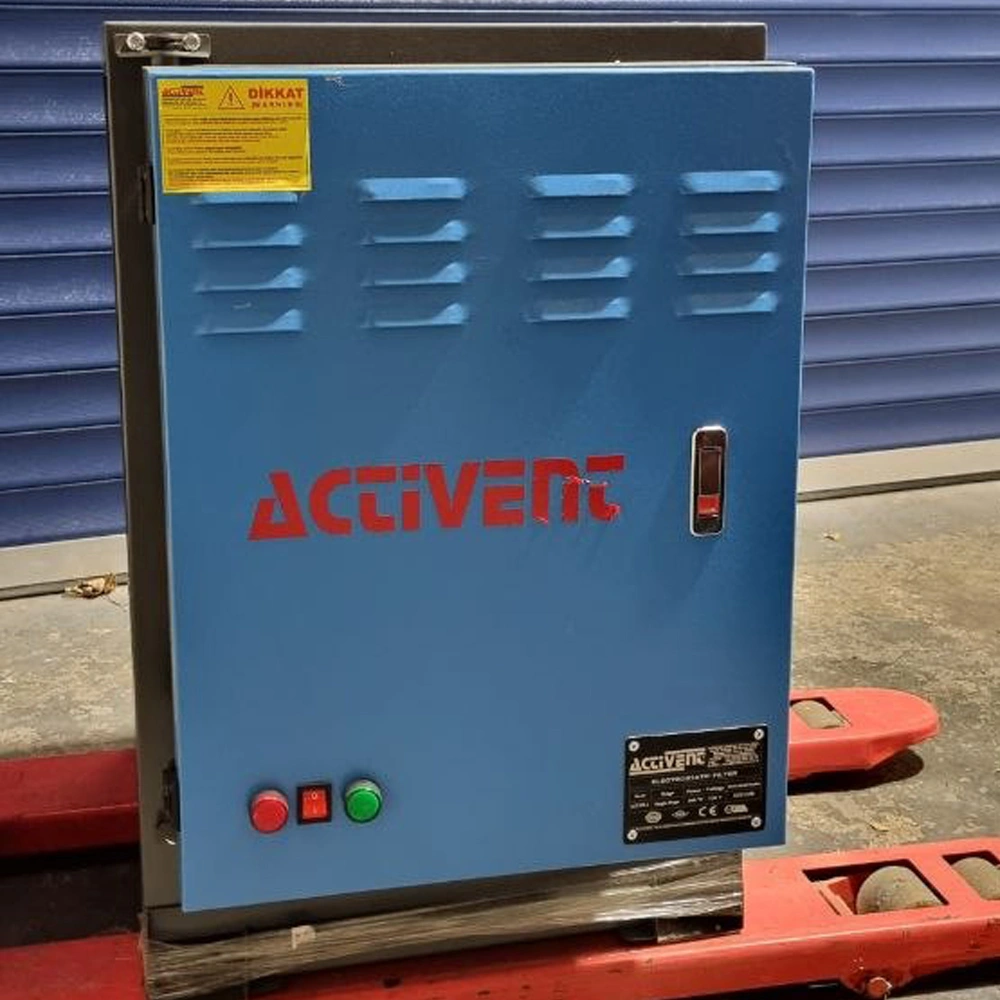 ESP
ESP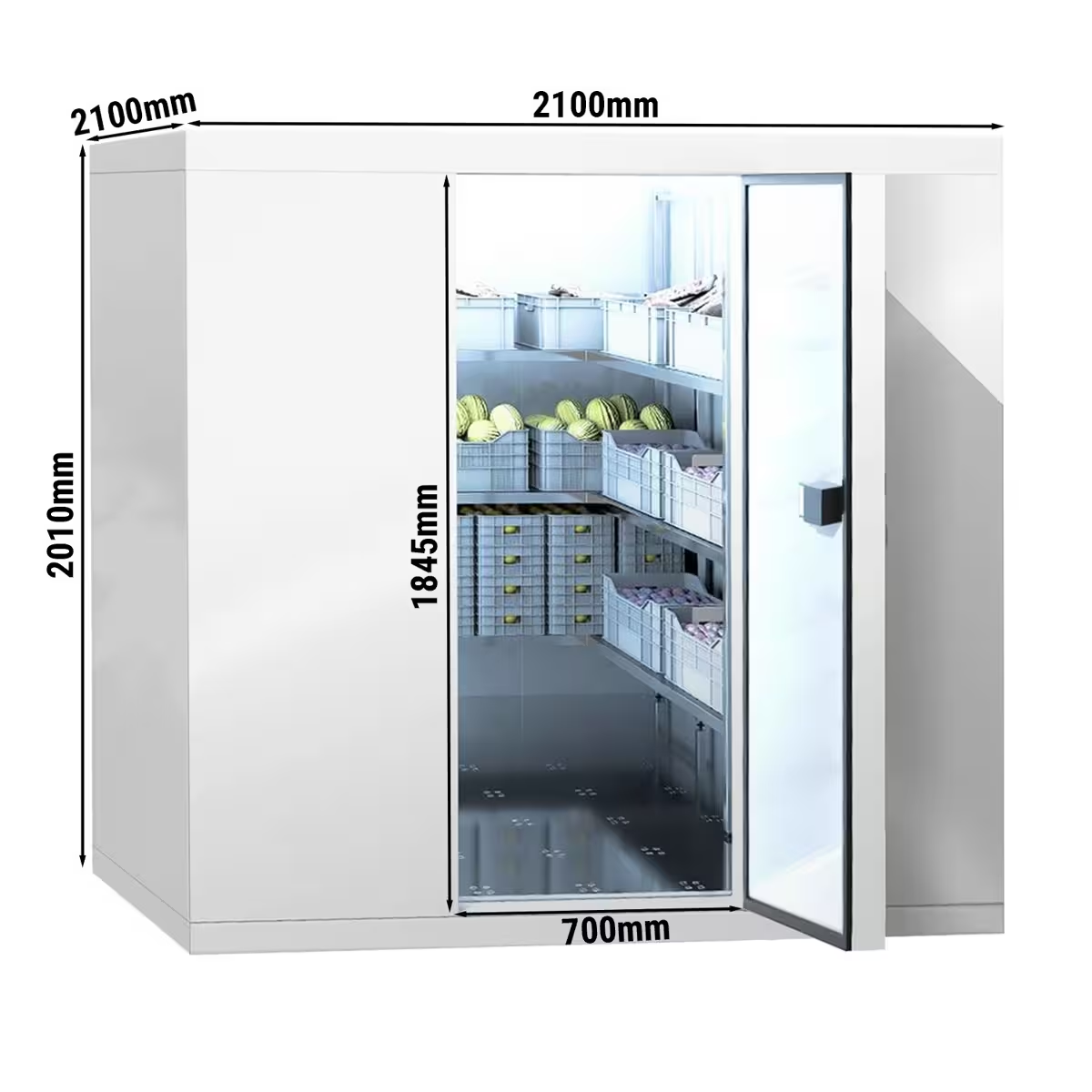 Cold room