

Blog
Commercial Kitchen Ventilation Guide
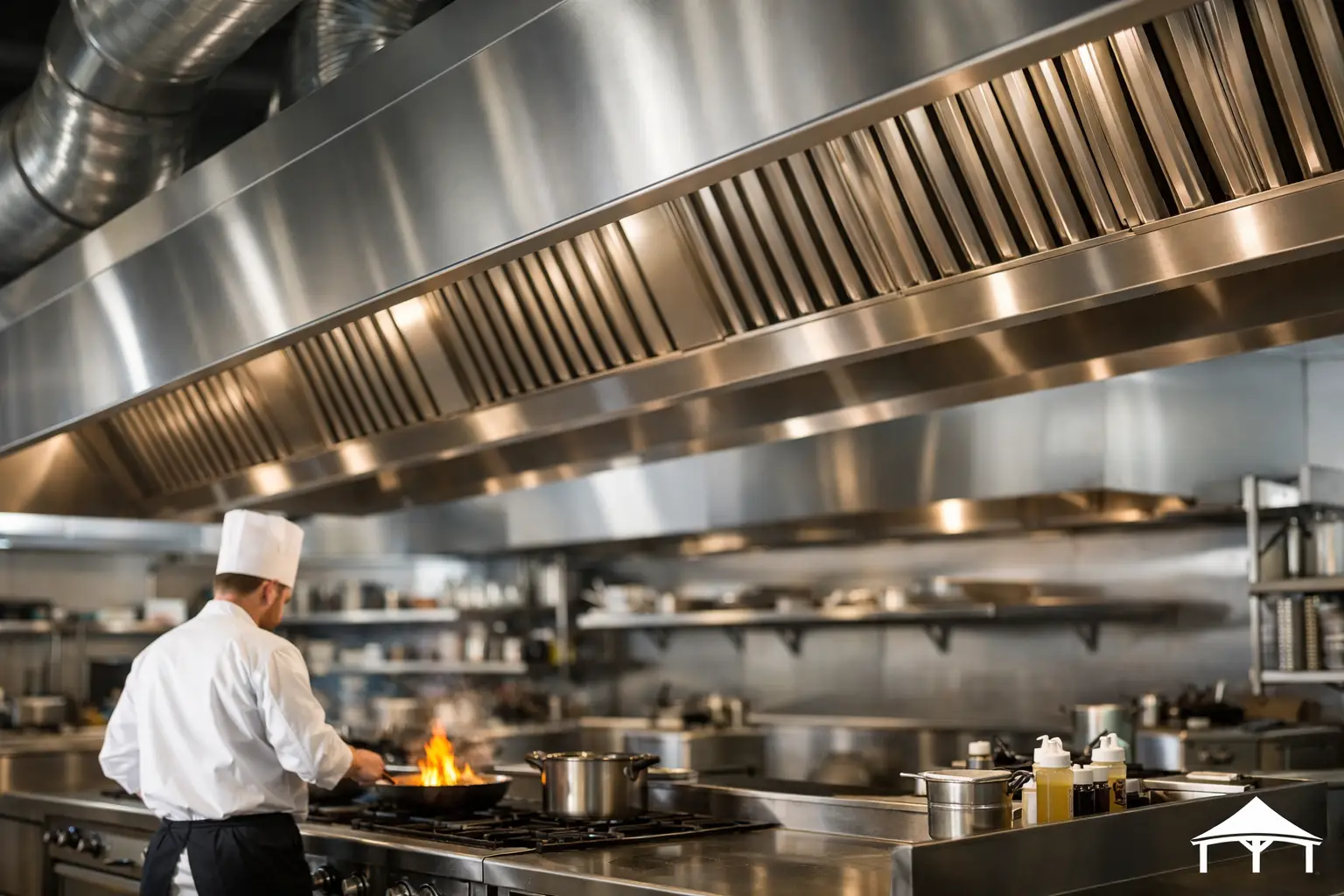
The first sign that a kitchen ventilation system is wrong is rarely a failed inspection. It is grease settling where it should not, heat building up on the line, staff fatigue by mid-service, and cooking odours drifting into customer areas. A proper commercial kitchen ventilation guide starts there – with day-to-day performance, not just a box-ticking exercise.
For restaurant owners, facilities managers and contractors, ventilation sits at the junction of safety, compliance, comfort and operating cost. Get it right and the kitchen runs cleaner, cooler and more efficiently. Get it wrong and every service becomes harder work than it needs to be.
What a commercial kitchen ventilation guide should actually help you decide
Most buyers do not need theory for theory’s sake. They need to know what system suits their site, what level of extraction is required, how filtration should be handled, and where shortcuts will cause problems later. That means looking at the kitchen as a working environment rather than a collection of separate products.
A ventilation system has one core job: capture and remove heat, grease, steam, smoke and airborne contaminants at source. In practice, that usually involves an extraction canopy, ductwork, fans, make-up air, filtration and discharge planning. In some kitchens, that is straightforward. In others, especially high-output sites or awkward refurbishments, every part of the system affects the next.
The canopy is where performance begins. If the hood does not suit the cooking line, the rest of the system spends its life compensating. Size, overhang, mounting height and internal construction all matter. A small mismatch on paper can become poor grease capture, noisy operation and weak airflow where it counts.
Start with the cooking load, not the room size
One of the most common mistakes is choosing extraction based mainly on kitchen floor area. The real driver is the cooking process. A site with light reheating and limited steam production needs a different solution from a busy restaurant running chargrills, fryers and solid-top ranges all day.
Heavy-duty cooking creates more grease-laden vapour and more heat, so the canopy and extraction rate need to be sized accordingly. Petrol and solid fuel appliances also bring additional combustion products into the equation. That changes the design brief immediately.
This is where customisation usually pays for itself. Standard products can work well for straightforward layouts, but many commercial kitchens are not straightforward. Ceiling heights vary, equipment lines are mixed, and duct routes are often constrained by the building. A made-to-measure canopy or bespoke extraction arrangement can solve issues before they become expensive site changes.
Not all canopies are doing the same job
Wall-mounted canopies suit many standard cooklines, while island canopies are better where equipment sits centrally. Condensation canopies are often used above dishwash areas or steam-heavy processes where grease extraction is not the primary requirement. Specialist applications may need fresh air input canopies or more advanced grease control.
The point is simple: shape and placement are not cosmetic decisions. They directly affect capture efficiency. If vapours escape the canopy edge, the system is already underperforming.
Airflow matters, but balance matters more
It is easy to focus only on extraction volume. Bigger numbers can look reassuring, but airflow without balance creates its own problems. Pull too much air out without replacing it and the kitchen can become negatively pressurised. Doors become harder to open, draughts appear, petrol appliances may be affected, and the dining area can start pulling in cooking smells.
A well-designed system considers make-up air from the start. Replacement air should support the extraction system rather than fight it. In practical terms, that means introducing fresh air in a controlled way so the kitchen remains comfortable and the canopy captures effectively.
Too much supply air pushed in at the wrong velocity can disrupt the natural rise of heat and vapour. Too little supply air leaves the extraction fan doing all the work against an unfriendly pressure condition. Good ventilation design is rarely about maximum extraction alone. It is about controlled airflow across the whole space.
Grease control is not optional
Any serious commercial kitchen ventilation guide has to give proper attention to grease. This is not just about cleanliness. Grease accumulation in canopies, filters and ductwork is a fire risk, a maintenance issue and a performance problem.
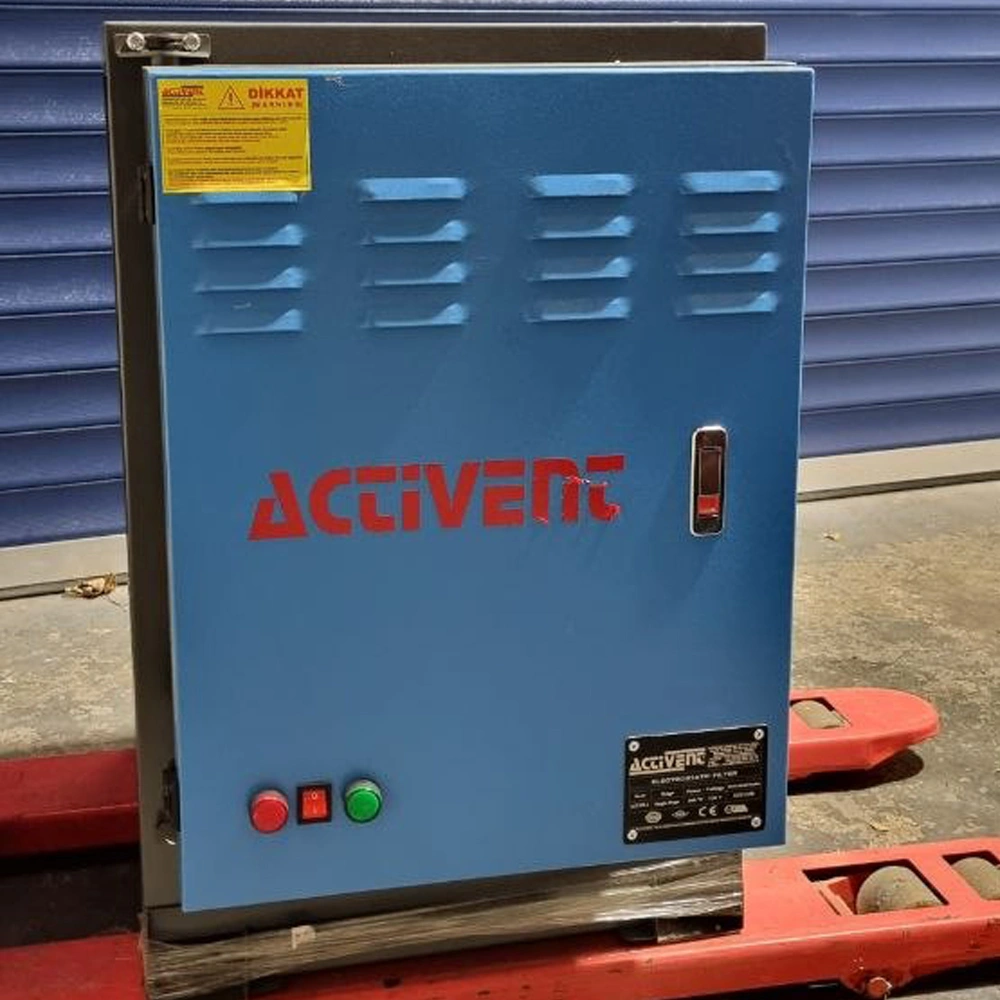
Baffle filters are common because they are durable, practical and effective as a first stage of grease removal. For heavier-use kitchens, especially where discharge conditions are stricter or odour control is a concern, additional filtration can make a major difference. Electrostatic precipitator units, for example, can help remove fine grease particles before air is discharged. That can be particularly valuable in urban locations or buildings with sensitive neighbouring uses.
There is a trade-off here. More advanced filtration improves air quality and discharge performance, but it adds cost, maintenance requirements and system complexity. For the right site, that is worthwhile. For a lower-intensity kitchen with a simple duct route and suitable discharge point, a more basic arrangement may be enough. The right answer depends on cooking duty, site constraints and compliance needs.
Ductwork design is where many systems are won or lost
A premium canopy and a powerful fan cannot rescue poor duct design. Long runs, unnecessary bends, undersized sections and awkward routing all increase resistance and reduce real-world performance. They also increase noise and energy use.
Ductwork should be sized for the application, constructed properly and designed with access for cleaning where required. In grease extract systems, that is especially important. If a route is difficult to maintain, it will often be neglected. That creates avoidable risk.
On refurbishment projects, duct routing is often the hardest part of the job. Existing structures, landlord restrictions and service congestion can limit the ideal path. That is where practical design experience matters. Sometimes the best system on paper is not the best system for the building. The aim is to find a route that protects airflow performance without turning installation into a costly compromise.
Noise, energy use and staff comfort all affect value
Ventilation is often bought on capital cost and judged later on everything else. That is short-sighted. A cheaper system that is noisy, wasteful and uncomfortable to work under will cost more over time in maintenance, energy and operational frustration.
Fan selection matters here. Efficient fans matched properly to the system duty can reduce running costs and improve reliability. Stainless steel fabrication quality matters too, especially in busy commercial kitchens where cleaning regimes are tough and equipment takes daily wear. Better build quality usually means a longer service life and fewer issues with corrosion, distortion or poor fit.
Staff comfort should not be underestimated. Excess heat and poor air movement affect concentration, morale and output. In a fast-paced kitchen, that becomes a real business issue. Good ventilation helps create a working environment that is safer and more productive, not just technically compliant.
Compliance in the UK is part of the brief, not an afterthought
In the UK, commercial kitchen extraction systems need to be considered in line with relevant fire safety, hygiene and ventilation expectations. Exact requirements depend on the site and application, but buyers should never treat compliance as something to check at the end.
This is especially true in new fit-outs, landlord-controlled premises and sites close to residential or public areas. Odour complaints, grease discharge concerns and fire risk are not abstract problems. They can delay opening, trigger remedial work or damage the relationship with neighbouring occupiers.
A competent supplier will ask direct questions early: what are you cooking, how many hours will the site run, where can air be discharged, what access exists for maintenance, and what restrictions apply to the building? Those questions save time because they prevent generic solutions being forced into site-specific problems.
Choosing the right supplier for a ventilation project
A commercial kitchen ventilation guide would be incomplete without addressing who designs and delivers the system. Products matter, but so does capability. Buyers are often better served by a supplier that can handle design, fabrication, installation and after-sales support rather than passing responsibility across multiple parties.
That joined-up approach tends to reduce errors between survey, manufacture and fit-out. It also makes custom work more practical. If the supplier actually understands stainless steel fabrication, airflow requirements and site realities, the finished system is more likely to fit properly and perform as intended.
For some projects, an off-the-shelf solution is enough. For others, especially high-output kitchens or awkward spaces, bespoke manufacture is the stronger option. CanopyMan works in that space because many buyers need more than catalogue dimensions – they need equipment built around the job.
What to get right before you buy
Before committing to a system, be clear on the cookline, the operating hours, the fuel type, the discharge route and the cleaning plan. Confirm whether odour control or fine grease filtration will be needed. Check whether replacement air has been properly considered. Ask how the ductwork will be accessed and maintained.
If those answers are vague, expect problems later. A good ventilation system should feel thought through from the first drawing onwards. It should suit the kitchen, the building and the way the site actually operates.
The strongest systems are not always the most complicated. They are the ones designed honestly around the cooking load, installed properly, and built to keep working long after handover. If your kitchen is expected to perform every day, the ventilation should be specified with the same standard in mind.
 Canopy
 Fans
Fans Stainless Steel Sheets
 ESP
ESP Cold room