

Blog
Choosing Commercial Kitchen Extraction Systems
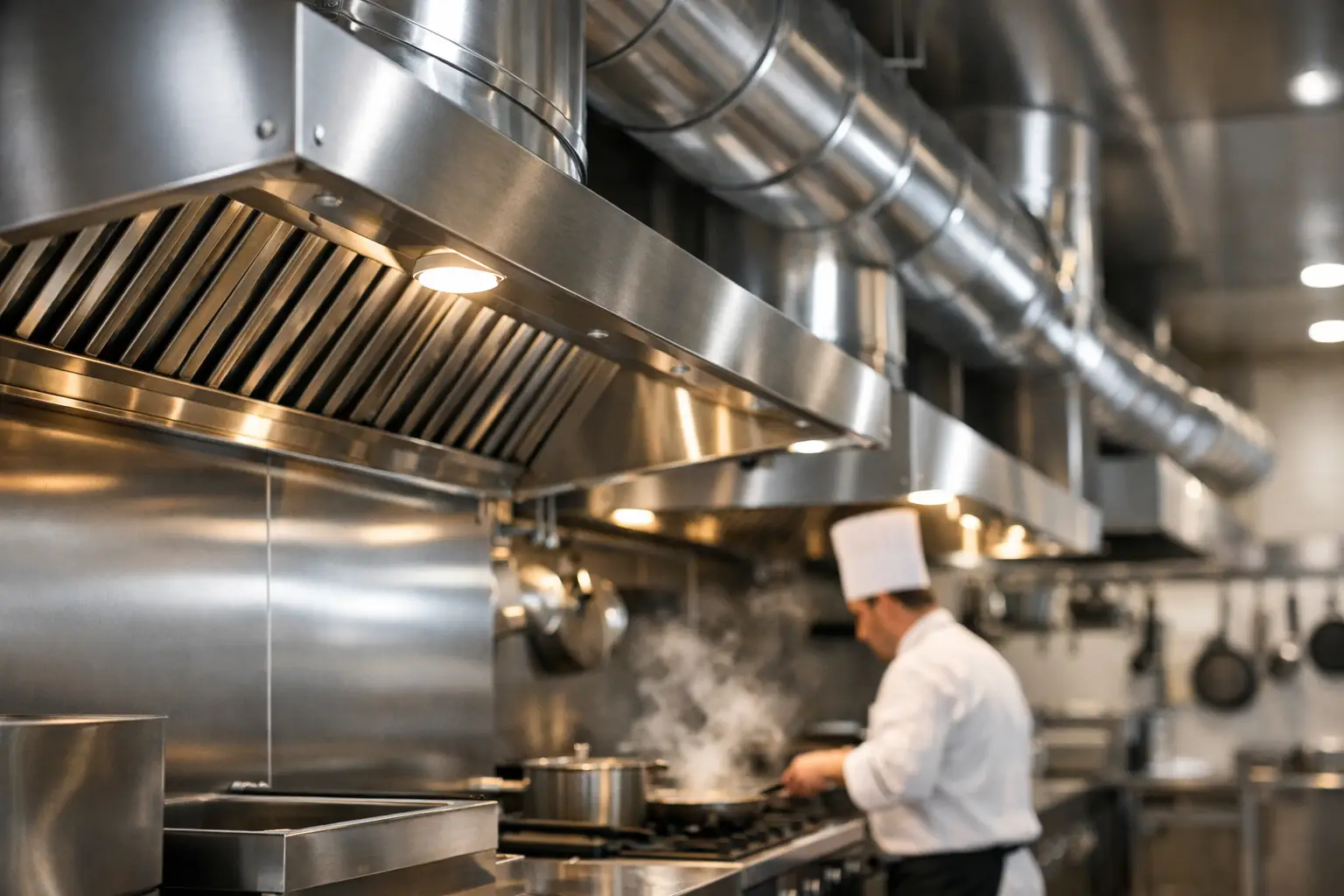
A kitchen that looks fine on paper can fail the moment service starts. Heat builds, grease hangs in the air, staff get uncomfortable, and odours drift where they should not. That is why commercial kitchen extraction systems are not a box-ticking extra. They are a working part of the kitchen, shaping safety, hygiene, comfort and day-to-day performance.
For restaurant owners, facilities managers and contractors, the real question is not whether extraction is needed. It is whether the system is properly sized, correctly built and suited to the way the site actually operates. A compact café, a high-output takeaway and a hotel kitchen may all cook food, but they place very different demands on airflow, filtration and duct routing.
What commercial kitchen extraction systems need to do
At a basic level, extraction removes heat, smoke, steam, grease particles and cooking odours from the cooking area. In practice, a good system does much more. It helps keep staff comfortable during busy shifts, reduces grease build-up on surfaces, supports compliance, and protects the wider building from airborne contaminants.
That performance depends on how the full system works together. The canopy captures contaminated air at source. Filters deal with grease. Ductwork carries air away efficiently. Fans create the pressure needed to move it. In some kitchens, additional treatment such as ESP filtration is needed before discharge. If one part is wrong, the whole system suffers.
This is why off-the-shelf thinking often causes problems. A generic hood with standard duct sizes may be quick to quote, but it can create noise issues, poor capture or difficult installation if it does not reflect the layout and cooking load of the site.
Why sizing matters more than most buyers expect
Undersized extraction is the obvious problem. Smoke escapes the canopy, the kitchen gets hotter, and grease settles where it should not. Less obvious is oversizing. A system that pulls too aggressively can waste energy, affect comfort, and upset the balance of make-up air within the room.
The right specification comes from understanding the cooking line, not just the room dimensions. Petrol chargrills, fryers and solid fuel equipment generate a heavier extraction demand than light-duty electric cooking. The length and depth of the canopy matter, but so do the appliances underneath it, the cooking style, the hours of use and the discharge route.
A good design starts with capture at source. If the canopy is too shallow, too high, or badly positioned, increasing fan power will not fully fix it. You may move more air, but still fail to control smoke and grease where it is generated. That is why practical site assessment is worth more than guesswork.
Commercial kitchen extraction systems and compliance
Compliance sits behind most buying decisions, but it should not be treated as paperwork alone. In a commercial kitchen, extraction affects fire risk, air quality and maintenance standards. Grease-laden air moving through poorly designed or hard-to-clean ductwork creates long-term risk, not just inconvenience.
Materials and build quality matter here. Stainless steel canopies and well-fabricated components stand up better to demanding use, regular cleaning and harsh kitchen conditions. Access for cleaning is equally important. A system that performs well in the first month but is awkward to maintain can become a liability over time.
There is also the issue of discharge. Neighbouring properties, upper floors and enclosed service yards can turn a simple extract route into a planning and nuisance issue. In those cases, filtration and odour control need proper thought early on. Retrofitting after complaints start is usually more expensive and more disruptive.
The value of custom-built extraction
Most commercial kitchens are constrained by something. Ceiling height, existing services, structural walls, neighbouring tenants or awkward plant space all affect what can be installed. That is where custom-built systems earn their place.
A tailored canopy can be manufactured to fit the cooking line precisely rather than forcing the kitchen to work around a standard product. Ductwork can be designed around site restrictions instead of adding avoidable bends and pressure losses. Fans and filtration can then be selected to match the real duty of the system.
This approach is not about adding complexity for its own sake. It is about getting dependable extraction without compromising the rest of the project. For contractors and trade buyers, that often means fewer installation headaches. For operators, it means a system that works properly under pressure.
Key components that affect performance
Extraction canopies
The canopy is where performance begins. Its size, shape and position determine how effectively heat and contaminants are captured. A well-made canopy should offer good coverage, durable construction and a finish suitable for demanding cleaning schedules.
Stainless steel remains the preferred material for most commercial applications because it is hard-wearing, hygienic and built for repeated use. For high-output sites, workmanship matters just as much as material. Poor joints, weak fabrication or inconsistent sizing can create fitting problems and shorten service life.
Filters and grease control
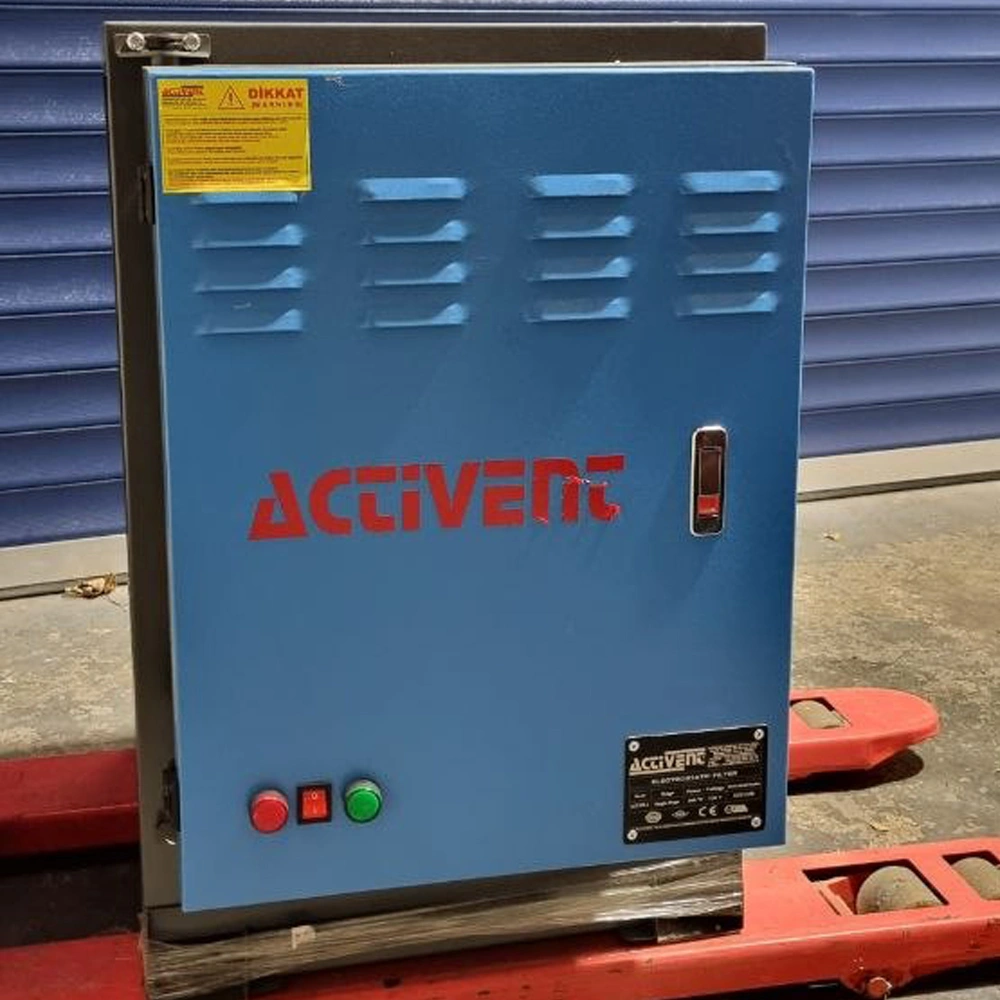
Grease management is one of the biggest practical issues in kitchen extraction. Baffle filters are commonly used to separate grease before air enters the ductwork, but some sites need more advanced treatment. Kitchens with intense frying or heavy grease loads may benefit from ESP units that remove finer particles more effectively.
There is no universal answer here. A lower-cost filter setup may suit a lighter kitchen perfectly well. A busier operation may save money long term by reducing duct contamination and cleaning frequency with a higher-spec solution.
Fans and ductwork
Fans should be selected for the airflow and resistance of the full system, not in isolation. Long duct runs, changes in direction and filtration stages all increase pressure requirements. Choosing on headline power alone can lead to poor efficiency, excessive noise or disappointing extraction.
Ductwork design is just as important. Clean routing, sensible sizing and access for maintenance make a major difference. If the extract path is an afterthought, performance will usually pay the price.
Energy efficiency without compromising extraction
Every operator wants lower running costs, but trimming system performance is not the way to achieve it. The better route is efficient design. A correctly sized canopy, properly selected fan and well-planned duct layout reduce wasted energy from the outset.
Control strategy also matters. Some kitchens run flat out all day, while others have clear peaks and quieter periods. In the right environment, variable speed control can help reduce unnecessary energy use. The key phrase is in the right environment. If the kitchen has constant heavy-duty cooking, aggressive savings targets can work against consistent extraction.
This is one area where a practical supplier makes a real difference. There is no value in specifying energy-saving features that look good on paper but do not suit the site.
What buyers should ask before specifying a system
A strong specification usually starts with four practical questions. What equipment will sit under the canopy? How many hours a day will it run? Where can the extract discharge safely? And how will the system be cleaned and maintained over time?
Those questions sound straightforward, but they shape almost every part of the design. They also help avoid the common mistake of buying on price alone. Cheap extraction can become expensive if it causes delays, rework, neighbour complaints or poor staff conditions.
For many projects, it makes sense to work with a manufacturer that can handle design, fabrication and installation support together. That reduces handover gaps between different suppliers and helps keep accountability clear. CanopyMan works in that practical, end-to-end way, which is often exactly what busy operators and contractors need.
A system should work for the kitchen you have
The best commercial kitchen extraction systems are not the ones with the longest specification sheet. They are the ones that fit the site, suit the cooking load and keep performing when the kitchen is under real pressure. Good extraction should feel dependable, not temperamental.
If you are planning a new kitchen or upgrading an existing one, focus on build quality, realistic sizing and a design that reflects how the space is actually used. A system built properly from the start will keep paying you back in cleaner air, safer operation and fewer avoidable problems when service is at its busiest.
 Canopy
 Fans
Fans Stainless Steel Sheets
 ESP
ESP Cold room