

Blog
Commercial Kitchen Hood Systems That Work
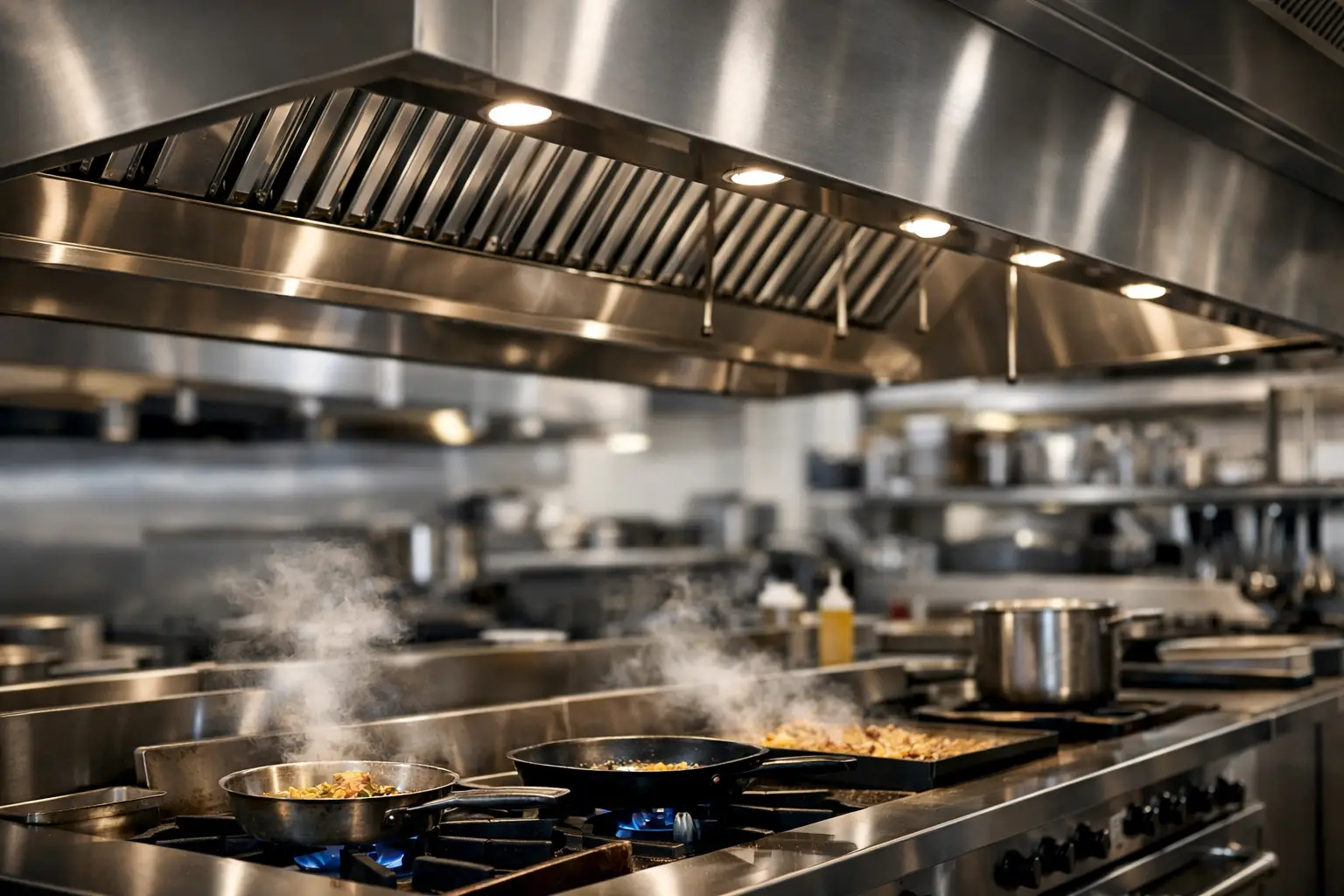
A busy kitchen tells you very quickly whether the extraction is doing its job. When heat hangs in the room, grease settles where it should not, and staff are working in smoke and odours, the problem is not minor. Commercial kitchen hood systems sit at the centre of kitchen safety, hygiene and day-to-day performance, so getting the specification right from the start saves disruption, cost and avoidable remedial work later.
For restaurant owners, facilities managers and contractors, the challenge is rarely just buying a hood. It is choosing a system that suits the cooking line, the building, the airflow requirements and the maintenance burden that follows. A canopy that looks right on a drawing can still underperform on site if the extraction rate, duct layout, filtration method and make-up air have been poorly considered.
What commercial kitchen hood systems are really expected to do
A properly designed hood system has one job on paper and several jobs in practice. It needs to capture grease-laden vapour, remove heat, manage smoke, improve air quality and support a safer working environment. It also needs to do that reliably during peak service, not just under light use.
That means performance is about more than extraction volume alone. Capture efficiency matters. The hood has to collect contaminated air at source before it spreads across the kitchen. The fan has to maintain the right airflow. The ducting has to be routed sensibly. Filters have to suit the cooking load. If one part of the system is weak, the rest of the setup suffers.
In high-output kitchens, that weakness tends to show up fast. Walls discolour, ceilings collect grease, staff complain about heat, and cleaning becomes harder than it should be. Over time, the cost of a poor system is not just operational discomfort. It can affect compliance, equipment lifespan and fire risk.
Why off-the-shelf is not always enough
There is a place for standard products, especially on straightforward sites with predictable cooking loads and simple layouts. But many commercial kitchens are not straightforward. Ceiling heights vary, service voids are tight, discharge routes are awkward, and equipment lines rarely fit a one-size-fits-all canopy.
That is where custom-built commercial kitchen hood systems make a clear difference. A hood sized correctly for the appliances below it will generally perform better than one chosen purely on availability. Stainless steel construction, proper joints, well-made grease filters and solid fabrication all contribute to a system that stands up to heavy daily use.
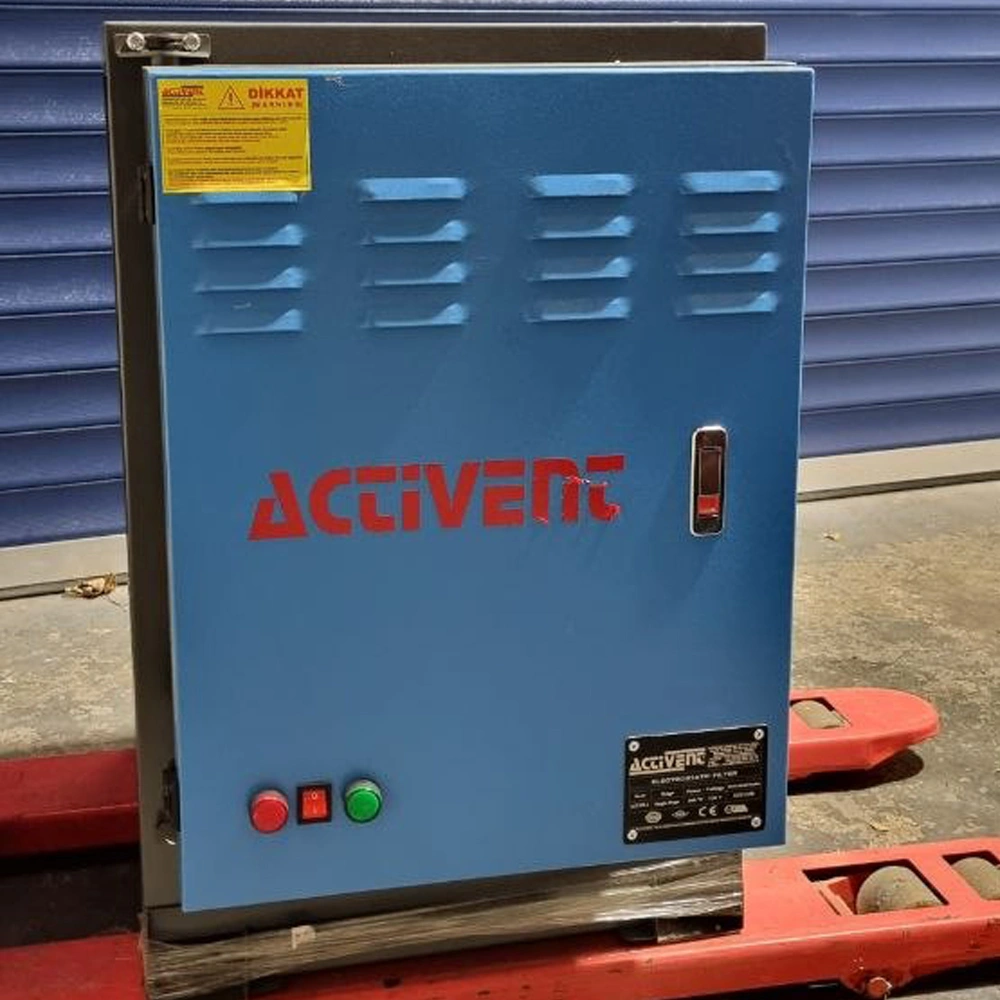
Customisation also helps when a site needs more than basic extraction. Some kitchens require odour control measures, ESP filtration, fresh air integration or specific duct transitions to work around structural limitations. In those cases, buying a standard hood and hoping for the best usually creates more work later.
Sizing the hood properly matters more than many buyers expect
Undersized hoods are a common source of poor extraction. If the canopy does not adequately cover the cooking equipment, heat and fumes escape beyond the capture zone. Oversizing can also create issues if the fan and air balance are not matched to the canopy dimensions. Bigger is not automatically better.
The right size depends on the appliance line and how aggressively it cooks. A bank of fryers, chargrills and solid tops will produce a very different extraction demand from a lighter-duty prep kitchen. The position of appliances matters too. Equipment at the end of a line or near pedestrian routes can allow air movement to interfere with capture.
A good specification takes account of overhang, mounting height and actual cooking duty. That is why site-specific design is worth having. It reduces guesswork and leads to better results on install day.
Key parts of commercial kitchen hood systems
The canopy gets the most attention, but the full system is what determines performance. The visible hood is only one section of a working extraction setup.
The canopy
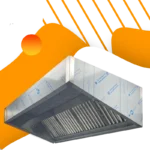
This is the collection point above the cooking line. It should be fabricated from quality stainless steel, built for easy cleaning and sized to suit the appliances beneath it. Build quality matters here. Poorly finished canopies are harder to maintain and less durable in demanding environments.
Filters and grease management
Baffle filters are common because they help separate grease from the airstream before it enters the duct. In heavier-duty kitchens, additional treatment may be required. If grease is not managed properly at hood level, the whole system becomes harder to clean and potentially less safe.
Ductwork
Ducting should be routed as directly as possible without ignoring the realities of the building. Long, awkward runs and excessive bends can reduce efficiency. Access for cleaning should also be considered early, not treated as an afterthought.
Fans and airflow control
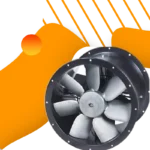
A strong fan is essential, but fan selection is not simply about power. Noise, energy use, pressure losses and system balance all affect the final result. An overpowered fan in a poorly balanced system can create as many problems as an underpowered one.
Make-up air
Extraction without replacement air creates pressure issues. Doors become difficult to open, conditioned air is dragged out of the space, and the kitchen can become uncomfortable. Proper make-up air helps stabilise the environment and supports the hood in capturing contaminants effectively.
Compliance, hygiene and fire risk
Commercial kitchen extraction is not only about comfort. It is closely tied to hygiene standards and fire prevention. Grease accumulation inside hoods and ductwork is one of the most obvious risks in any busy kitchen. A poorly designed or poorly maintained system allows deposits to build up faster, which increases cleaning demands and raises safety concerns.
That is why easy-clean design and sensible access points are not luxury features. They are practical requirements. The same goes for appropriate filtration and duct construction. When the system is built properly, maintenance becomes more manageable and inspection is less of a headache.
For operators, that translates into fewer operational interruptions and a stronger position when meeting insurer, landlord or environmental expectations. For contractors, it means fewer callbacks and less friction during handover.
Energy efficiency is not just about the fan motor
Many buyers now ask for energy-efficient extraction, and rightly so. But efficiency is not achieved by choosing one efficient component in isolation. It comes from the whole system working properly together.
If the hood captures well at source, the system does not need to compensate for poor design elsewhere. If duct routes are sensible, pressure losses are lower. If the make-up air is considered early, the kitchen remains more stable and easier to manage. If the fan and controls are matched to actual use, energy waste can be reduced without compromising extraction performance.
This is often where a manufacturing-led supplier adds value. Practical fabrication knowledge, installation awareness and airflow understanding all need to meet in the same project. On paper, many systems look similar. On site, the quality of design and build is what separates a dependable installation from one that causes ongoing frustration.
When a standard canopy is enough and when a bespoke system is better
There are situations where a standard canopy makes commercial sense. A small kitchen with a simple cooking arrangement and straightforward duct routing may not need a fully bespoke build. If the operational demand is predictable and the fit is right, a standard product can be a practical option.
A bespoke system is usually the better choice when the kitchen has unusual dimensions, mixed appliance loads, restricted service routes or stricter odour and grease control requirements. It is also the stronger option when the client wants a cleaner fit, better finish and fewer compromises around installation.
For many projects, the deciding factor is not ambition. It is risk. The more complex the site, the more costly it becomes to get the extraction wrong. In those cases, tailored design and fabrication often provide better long-term value than a cheaper initial purchase.
What to ask before specifying a system
Before choosing between commercial kitchen hood systems, it helps to be clear on a few practical points. What appliances are going under the canopy, and how heavily will they be used? How much room is available above the cooking line? Where will the duct run terminate? Is odour control needed? How will the system be cleaned and maintained over time?
Those questions tend to expose whether a standard solution is genuinely suitable or whether the project needs something more considered. They also help avoid the common mistake of treating extraction as a late-stage add-on when it should be part of the kitchen design from the outset.
A capable supplier should be able to advise on sizing, fabrication, installation practicalities and after-sales support rather than simply quoting for a hood box and fan. That full view matters, particularly on projects where time, compliance and fit quality all carry real commercial pressure.
CanopyMan works with buyers who need exactly that kind of practical support – from standard products through to fully customised extraction solutions built for demanding environments.
The best hood system is the one that keeps working when the kitchen is under pressure, because that is when good design stops being a specification and starts proving its value.
 Canopy
 Fans
Fans Stainless Steel Sheets
 ESP
ESP Cold room