

Blog
How Does Kitchen Ventilation Work?
When a busy kitchen hits full service, air quality changes fast. Heat climbs, grease particles hang in the air, steam builds around cooking lines, and odours drift well beyond the prep area. That is why one of the first questions operators ask is, how does kitchen ventilation work, and what actually makes one system perform properly while another struggles?
The short answer is this: a kitchen ventilation system captures contaminated air at source, moves it through filters and ductwork, then extracts or treats it so the space stays safer, cleaner and more comfortable. In a commercial setting, that process is not just about comfort. It affects fire risk, hygiene, staff welfare, equipment life, and whether the kitchen can keep working efficiently under pressure.
How does kitchen ventilation work in practice?
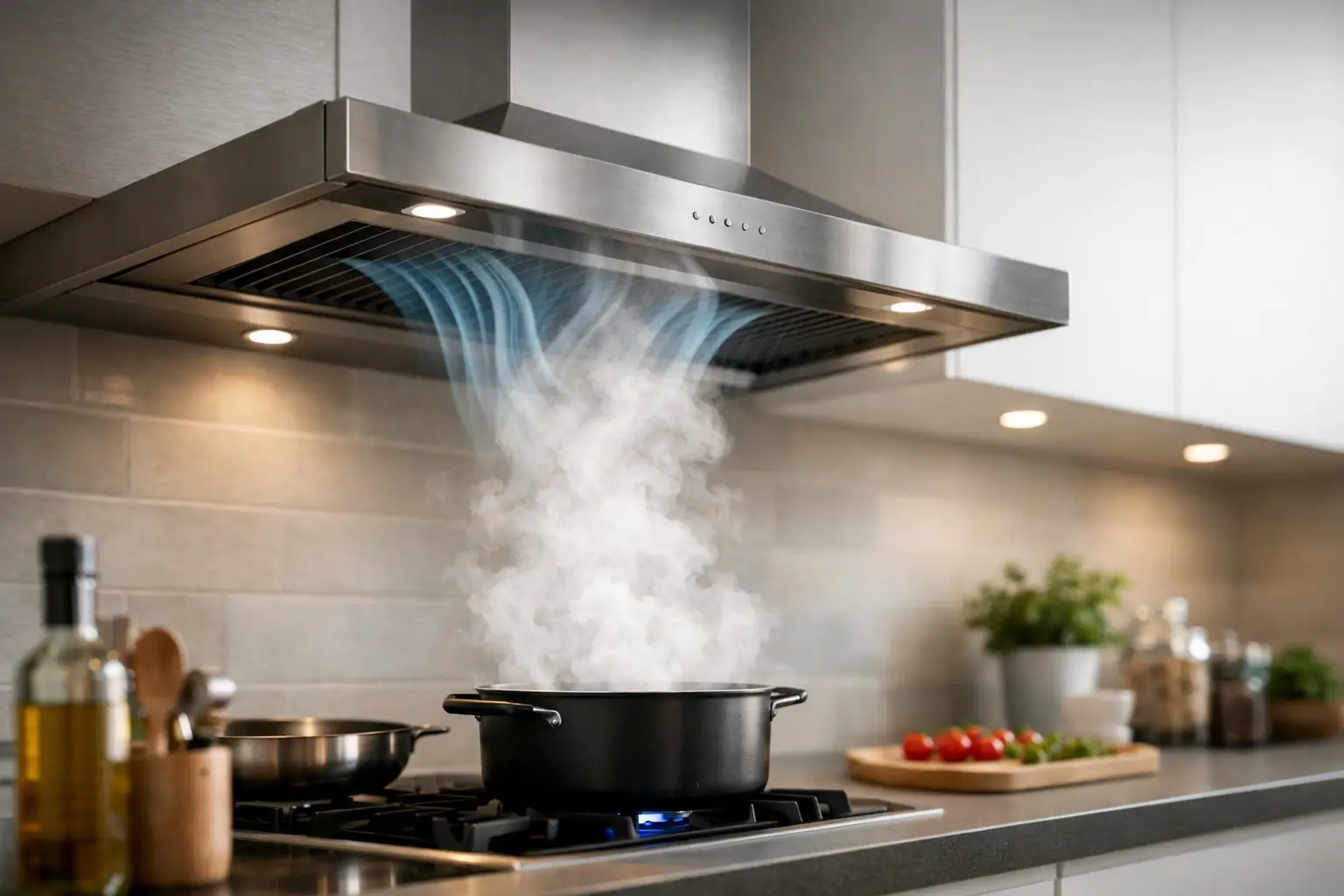
A commercial kitchen ventilation system works by creating controlled airflow around cooking equipment. The canopy or extraction hood sits above the appliances producing heat, smoke, steam and grease. As cooking takes place, the hood captures rising contaminants before they spread across the room.
From there, filters inside the canopy help trap grease particles. The fan then pulls the air through the ducting and out of the building, or through a treatment stage if the design includes additional filtration such as carbon or electrostatic systems. In some setups, replacement air is also supplied back into the kitchen so the room does not fall into excessive negative pressure.
That last point matters more than many buyers expect. Extraction on its own is only half the job. If large volumes of air are being removed without adequate make-up air, doors become harder to open, draughts appear, temperatures become uncomfortable, and the system can lose efficiency. Good ventilation is always about balance.
The main parts of a kitchen ventilation system
At the centre of the system is the extraction canopy. This is the visible component above the cooking line, and its job is to collect contaminated air as close to the source as possible. Size, height and overhang all affect how well it captures fumes. A canopy that is too small, badly positioned or fitted too high above the equipment will not perform as it should, no matter how powerful the fan is.
Inside the canopy, grease filters provide the first level of separation. These are designed to intercept grease before it enters the duct run. That helps protect the system, reduces build-up, and lowers fire risk. In heavy-duty cooking environments, filter quality and ease of cleaning make a real difference to long-term performance.
Next comes the ductwork. This carries extracted air from the canopy to the discharge point. Straightforward on paper, duct design is often where system performance is won or lost. Long runs, awkward bends, poor sizing and restricted routes all increase resistance. When resistance rises, fans have to work harder, energy use can increase, and extraction rates may drop.
The fan provides the motive force. It creates the suction needed to move air through the system at the right volume and pressure. Fan selection should match the kitchen load, duct route and filtration setup. Overspecifying is not always the answer. A fan that is too aggressive can create noise, waste energy and affect comfort, while an undersized unit simply will not keep up.
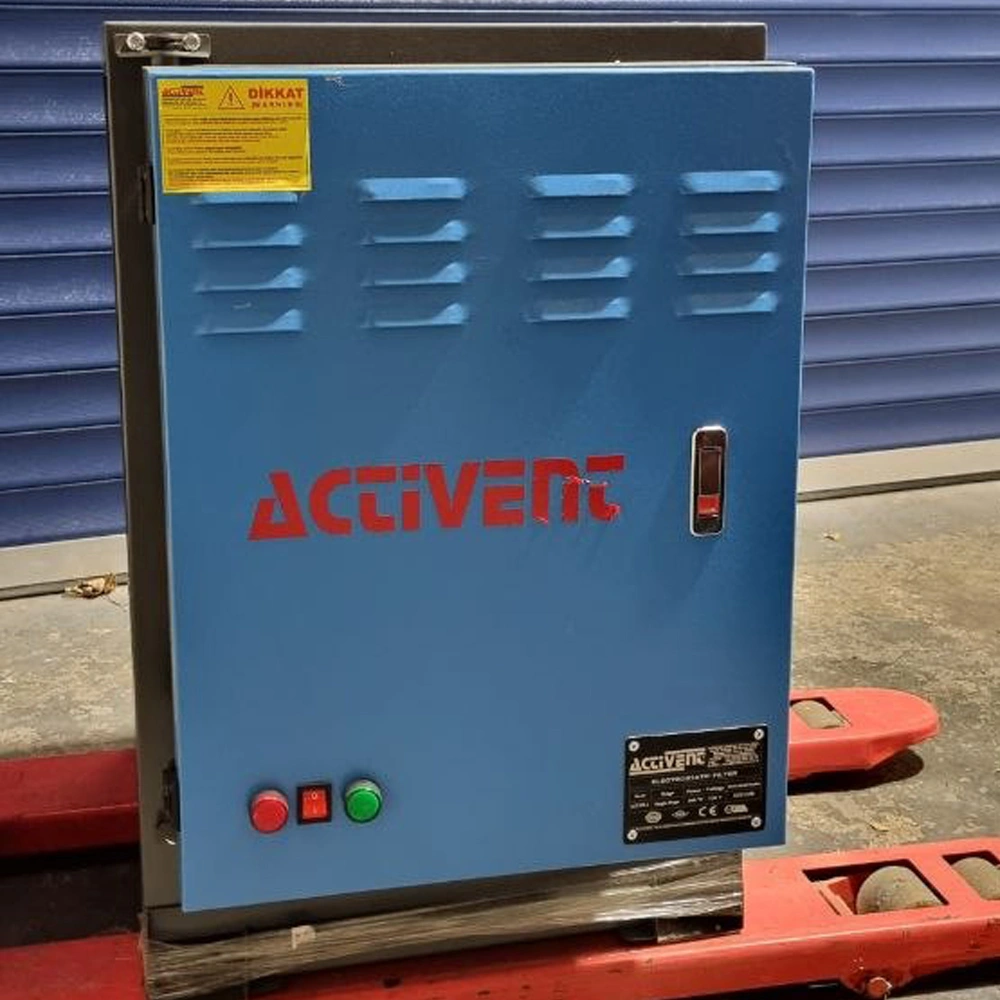
In more demanding sites, extra air-cleaning components may be added. Carbon filtration can help reduce odours. ESP units are commonly used where grease and fine particles need more advanced treatment before discharge. This is especially useful where planning constraints, neighbouring properties or difficult discharge locations make untreated exhaust less practical.
Why capture at source matters
Kitchen ventilation is most effective when it removes contamination before it spreads. Once heat, grease and smoke escape into the wider room, the system has far more work to do. Capture at source keeps the cooking area clearer, limits surface contamination, and helps maintain a more stable working environment.
This is why canopy design should always reflect the actual cooking equipment underneath it. A light-duty prep kitchen does not generate the same load as a line with solid tops, fryers, chargrills and combination ovens running together. Different appliances produce different types of plume, and the ventilation system has to be sized for the real operating conditions, not a best-case scenario.
That is also where custom manufacturing has an advantage. Standard units can suit straightforward installations, but many commercial kitchens have restricted ceiling heights, unusual appliance layouts or awkward extraction routes. A made-to-measure canopy and ducting arrangement usually delivers better capture, cleaner fitting and fewer compromises on site.
Extraction, filtration and fresh air supply
Many people think kitchen ventilation begins and ends with extraction, but a reliable system manages both removal and replacement of air. As contaminated air is taken out, fresh air needs to come back in at a controlled rate.
Without that replacement air, the kitchen can become starved of oxygen and airflow balance breaks down. Staff may notice excessive heat, stuffiness or cold draughts around doors and openings. Gas appliances can also be affected if the room pressure is poorly managed. In practical terms, a kitchen should feel controlled, not turbulent.
Fresh air can be introduced naturally or mechanically, depending on the layout and duty of the space. Mechanical supply air is often the better option in high-load commercial kitchens because it gives more control over volume, direction and comfort. It also helps maintain a stable environment during peak trading periods, when doors opening and closing are not enough to support proper air replacement.
What affects system performance?
Even a high-quality ventilation system depends on correct design and installation. The biggest factors are canopy sizing, airflow rate, duct resistance, fan specification, discharge position and maintenance standards.
Airflow rate must suit the cooking load. Too low, and fumes escape. Too high, and you may create unnecessary noise, energy use and discomfort. The right figure depends on the appliances in use, the canopy dimensions and the route the air has to travel.
Duct design is equally important. Every bend, transition and length of run affects pressure loss. A clean, efficient route improves extraction and lowers strain on the fan. Discharge location matters as well. Exhaust air should be released where it will not cause nuisance, recirculate back into the building or affect nearby properties.
Maintenance is the ongoing factor that keeps the whole system working properly. Grease filters need regular cleaning. Ducts need inspection and, where required, specialist cleaning. Fans and controls should be checked to confirm they are running as intended. A well-built system will stand up to hard use, but no extraction setup performs at its best if grease build-up is allowed to restrict airflow.
Common problems in commercial kitchens
When ventilation is underperforming, the signs usually show up quickly. The kitchen feels hotter than it should. Condensation forms on surfaces. Grease settles on walls and ceilings. Odours linger beyond the cooking area. Staff become uncomfortable, and cleaning demands increase.
The cause is not always a fan failure. Sometimes the issue is poor canopy coverage. In other cases, the extract rate was never suitable for the equipment mix. Blocked filters, dirty ductwork and changes to the cooking line can all reduce system effectiveness over time.
There is also the question of compliance and fire safety. Grease-laden extract systems need proper attention because grease deposits inside filters and ducts can become a serious hazard. That is why build quality, access for cleaning and correct material selection are not optional extras. They are part of a dependable commercial solution.
Choosing the right setup for your site
There is no one-size-fits-all answer to kitchen ventilation. A small café kitchen, a production food unit and a high-output restaurant all place different demands on extraction systems. The right design depends on cooking type, hours of use, building layout, discharge options and how much future flexibility the site may need.
For some buyers, an off-the-shelf canopy and standard fan arrangement will do the job. For others, especially where heavy grease load, complex routing or planning sensitivity is involved, a custom-built system with advanced filtration is the better long-term choice. Spending less at the start can lead to poor capture, higher cleaning costs and expensive rework later.
That is why experienced operators tend to look beyond just the canopy price. They want to know how the full system will perform, how durable the build is, whether stainless steel fabrication is up to commercial use, and whether installation has been planned around the realities of the site. A supplier that can design, manufacture and fit the system properly usually removes a lot of risk from the project.
CanopyMan works with exactly these requirements – practical extraction, durable stainless steel fabrication, and ventilation systems built around real operating conditions rather than guesswork.
A kitchen ventilation system should do its job so well that staff barely think about it during service. The air feels controlled, the cooking line stays clearer, and the business gets on with production. If you are planning a new fit-out or replacing an underperforming system, the right question is not only how does kitchen ventilation work, but whether your setup is built to work properly for the way your site actually runs.
 Canopy
 Fans
Fans Stainless Steel Sheets
 ESP
ESP Cold room