

Blog
Why Is Kitchen Ventilation Important?
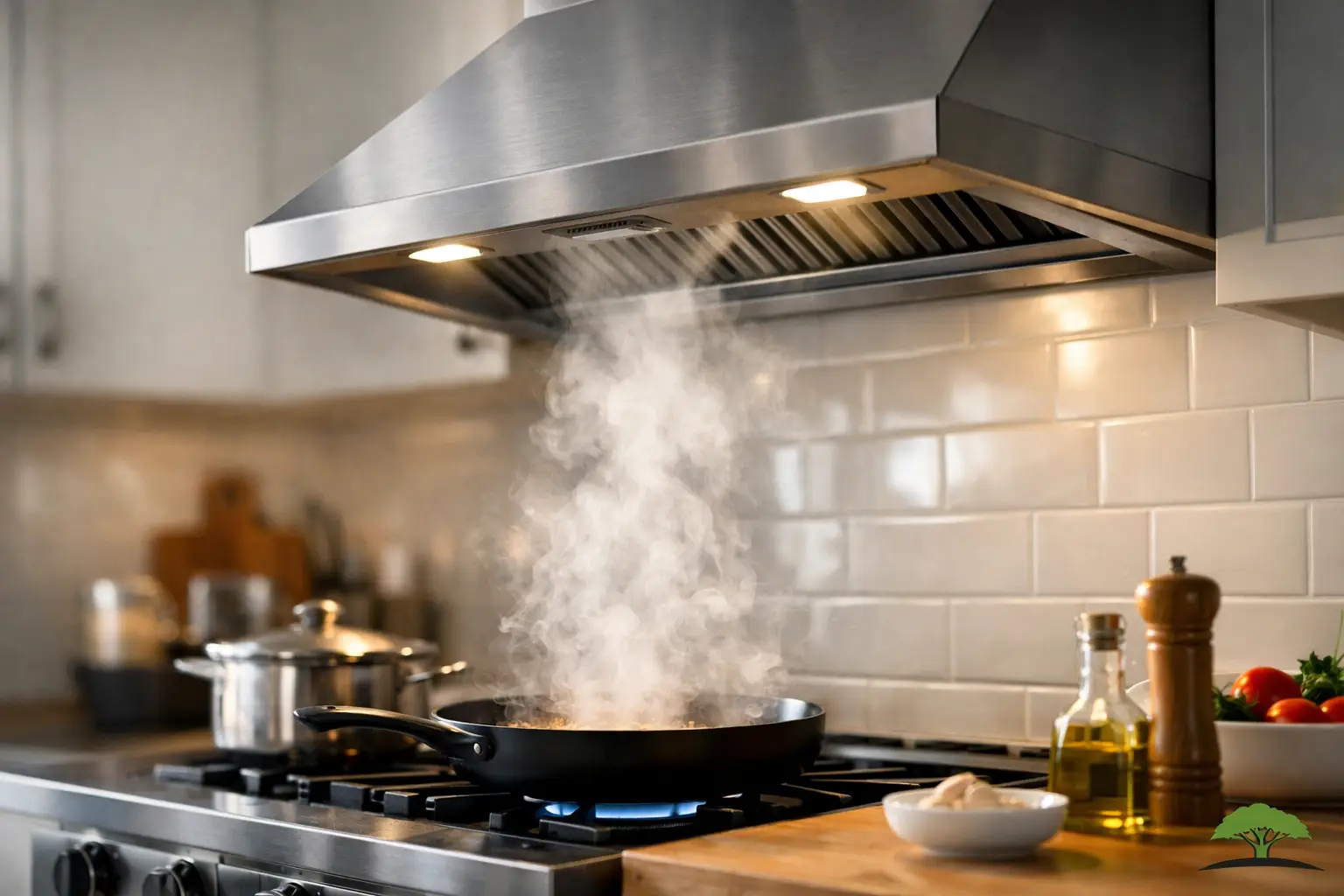
A busy kitchen can tell you very quickly when the extraction is not doing its job. Heat hangs in the air, grease settles on surfaces, odours drift beyond the cooking line, and staff start feeling the strain before service is half over. If you are asking why is kitchen ventilation important, the short answer is this: it protects the working environment, supports safe operation, and helps the whole kitchen perform properly.
For commercial kitchens, ventilation is not a finishing touch or a nice extra. It is part of the operational backbone. Whether you run a restaurant, takeaway, school kitchen, production unit or food facility, the right system affects comfort, hygiene, maintenance, safety and compliance. Poor airflow has a habit of creating bigger problems than many operators expect.
Why is kitchen ventilation important for daily operations?
Cooking produces far more than smells. It releases heat, steam, smoke, airborne grease and combustion by-products. Without effective extraction, those contaminants remain in the room, spreading across equipment, walls, ceilings and duct routes. That has a direct impact on the way the kitchen functions day to day.
A properly designed ventilation system removes polluted air at source and replaces it with cleaner, balanced airflow. That matters because kitchens work under pressure. During peak periods, staff need a stable environment where temperatures are manageable and visibility stays clear around the cook line. If heat and fumes build up, productivity drops. Staff become uncomfortable faster, and the kitchen becomes harder to work in safely.
There is also a practical knock-on effect. Excess grease and moisture do not stay neatly above the hob. They travel. Over time, that means more cleaning, faster wear on surrounding finishes, and a less controlled environment across the whole space. Good ventilation helps contain the problem before it spreads.
Air quality is a staff welfare issue, not just a building issue
One of the clearest reasons kitchen ventilation matters is the effect on the people doing the work. Commercial kitchens are demanding environments even when systems are set up correctly. Add poor extraction, and conditions can become uncomfortable very quickly.
When warm, contaminated air is left to circulate, staff are exposed to higher levels of smoke, grease particles and lingering fumes. In petrol cooking environments, combustion products add another layer of concern. That does not just affect comfort. It can affect concentration, fatigue and day-to-day wellbeing. In a busy service setting, that is not a minor issue.
A cooler, cleaner kitchen is easier to operate and easier to retain staff in. That is one of the less discussed commercial benefits. Operators often focus first on compliance or fire safety, which is right, but staff conditions matter as well. If the environment is unpleasant shift after shift, performance and morale usually follow.
That said, ventilation must be correctly balanced. Extraction on its own is not the whole answer. If a system pulls air out without suitable replacement air, the kitchen can end up under negative pressure, creating draughts, inconsistent temperatures or doors that become difficult to open. Good design is about airflow management, not just suction.
Fire risk and grease control
Grease is one of the biggest reasons to take kitchen ventilation seriously. When cooking vapours are not captured efficiently, grease accumulates in canopies, filters, ductwork and on nearby surfaces. That build-up is not only unpleasant and unhygienic. It is a fire hazard.
Commercial cooking equipment already operates at high temperatures. If grease deposits are allowed to build up over time, the risk profile of the kitchen changes. This is why extraction systems need to be properly specified, properly installed and maintained on a realistic cleaning schedule.
A well-built canopy with effective filtration helps capture grease before it enters the wider duct system. In heavier-use kitchens, additional measures may be appropriate depending on the cooking load and the type of food being prepared. There is no one-size-fits-all answer here. A light-duty café kitchen does not have the same extraction demand as a high-output frying line or a production kitchen running for long shifts.
The important point is simple. Ventilation is part of fire prevention. It reduces grease migration, helps control heat and supports a safer cooking environment overall.
Compliance, standards and inspection readiness
Ventilation also matters because commercial kitchens are expected to meet recognised safety and hygiene standards. In the UK, operators need to think about their responsibilities around workplace health, fire safety and suitable control of airborne contaminants. A poor ventilation setup can create issues across several of those areas at once.
Inspections do not just look at food handling. The physical condition of the kitchen matters too. If there is obvious grease build-up, poor odour control, excessive condensation or signs that extraction is inadequate for the cooking load, that reflects badly on the operation.
For contractors and facilities teams, this is where correct specification matters from the start. An undersized or poorly routed system may appear cheaper at first, but it often creates avoidable costs later through remedial work, cleaning demands, operational disruption or failed expectations on site. The better route is usually to match the system to the actual duty of the kitchen, the equipment under the canopy and the building constraints.
Why is kitchen ventilation important for equipment life and maintenance?
Heat, grease and moisture do not only affect people. They shorten the life of equipment and increase maintenance pressure throughout the kitchen. Refrigeration works harder in overheated spaces. Surfaces deteriorate faster when grease is allowed to settle. Electrical components can suffer when airborne contaminants are left unchecked.
A cleaner air environment helps protect the investment you have already made in the kitchen. That includes cooking appliances, wall finishes, ceiling areas and associated mechanical systems. It also makes routine cleaning more manageable. Staff can stay on top of hygiene standards more effectively when grease is being captured properly rather than spread across the room.
There is a cost angle here that buyers sometimes underestimate. A stronger ventilation setup may involve a higher upfront spend, especially where custom sizing, stainless steel fabrication or more advanced filtration is required. But if that system reduces maintenance, extends equipment life and supports smoother operation, the value picture changes.
Energy efficiency depends on design, not just fan power
Some buyers assume stronger extraction automatically means higher running costs. It can, if the system is poorly planned. But efficient kitchen ventilation is not about installing the biggest fan available and hoping for the best.
The right approach is to design around capture efficiency, airflow balance, duct layout and the actual cooking process. A well-made canopy positioned correctly over the cooking equipment will usually perform better than a less suitable unit pushed harder. Likewise, sensible duct routing and correctly matched fan selection can improve extraction without wasting energy.
This is where custom fabrication becomes valuable. Kitchens rarely come in standard shapes, and service routes are often awkward. A made-to-measure solution can improve fit, airflow performance and installation practicality at the same time. For many commercial sites, especially retrofit projects, that is the difference between a system that works on paper and one that works in service.
Different kitchens need different ventilation solutions
The answer to why is kitchen ventilation important also depends on what kind of kitchen you run. A café with light reheating demand has different requirements from a charcoal grilling operation. A school kitchen has different pressure points from a hotel production area. Workshops and industrial food environments may introduce further extraction needs linked to heat, odours or process emissions.
That is why specification should always follow use case. Canopy size, hood type, filter arrangement, fan performance and discharge planning all need to reflect the real operating conditions. If the system is too small, it will struggle. If it is oversized or badly balanced, you may create unnecessary cost and airflow issues elsewhere in the building.
Experienced suppliers look at the whole picture – cooking line, room size, route to discharge, cleaning access, replacement air and installation constraints. That practical view tends to produce better long-term results than choosing equipment by price alone.
Ventilation is part of kitchen reliability
Commercial kitchens depend on systems that keep working when demand is high. Ventilation sits in that category. When it is right, the kitchen feels controlled, cleaner and easier to manage. When it is wrong, the problems reach staff, equipment, hygiene, energy use and safety all at once.
For operators, the real question is not whether ventilation matters. It is whether the system in place is properly matched to the job. A dependable extraction setup built from quality materials and designed around your site gives you more than airflow. It gives you a kitchen that is fit to work in, easier to maintain and better prepared for the pressures of daily service.
If your kitchen runs hard, your ventilation should too. Getting that part right pays back every day the doors are open.
 Canopy
 Fans
Fans Stainless Steel Sheets
 ESP
ESP Cold room